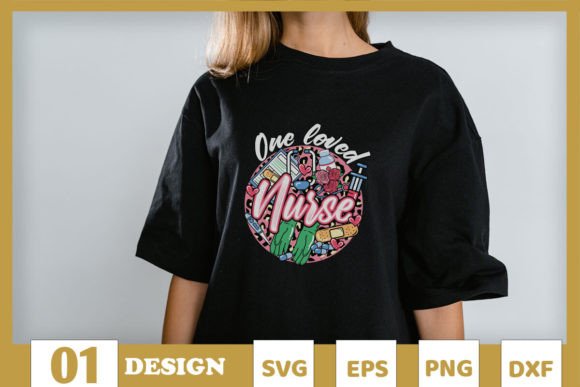
Nurse Leopard Valentine Doodle
A Playful, Polished Stitch That Knows Its Role
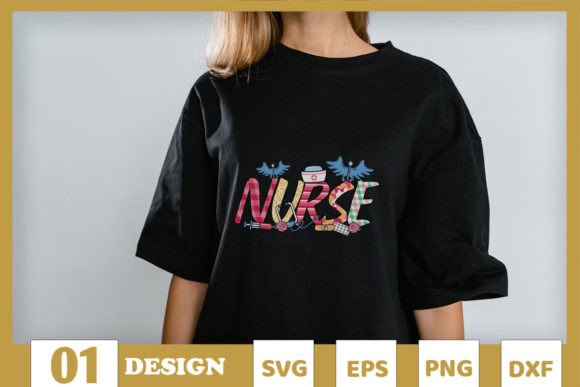
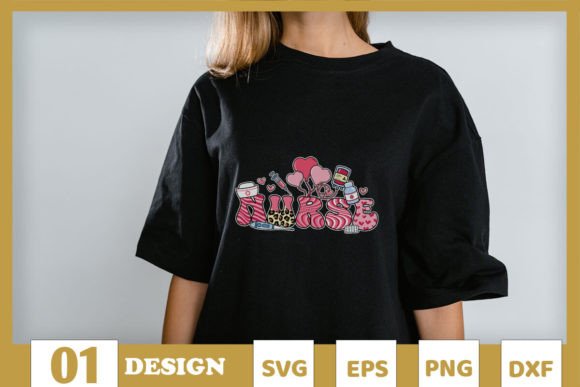
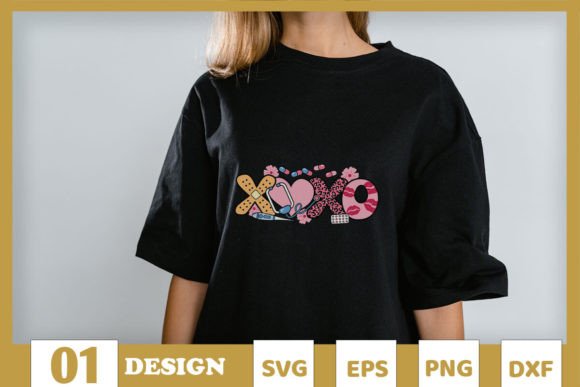
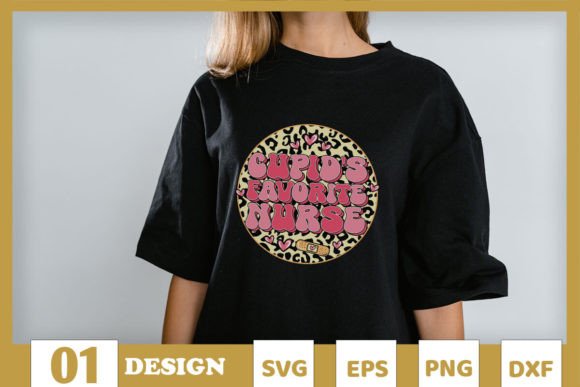
First glance at Nurse Leopard Valentine Doodle lands somewhere between a warm chuckle and a quiet nod—this isn’t a loud, flashy graphic. It’s a compact, hand-drawn-style illustration: a leopard with a nurse’s cap tilted just so, heart-shaped stethoscope, tiny “XOXO” tucked into the corner. The line work is confident but loose, the proportions friendly and approachable—not overly cartoonish, not clinical. As an embroidery designer who’s stitched everything from hospital staff gifts to boutique baby onesies, I immediately saw its sweet spot: lighthearted healthcare appreciation, not medical accuracy; whimsy with warmth, not irony.
Where It Lives Best—And Why
I recently prepped this design for a custom embroidered tote bag series—small-batch orders for a local pediatric clinic’s Valentine’s Day giveaway. We chose cotton canvas totes, medium-weight, lightly textured. Nurse Leopard Valentine Doodle scaled beautifully at 3.5" wide, fitting cleanly inside a 4"x4" hoop without crowding. The layout is inherently balanced: the leopard’s head anchors the top, the heart-stethoscope flows downward, and the “XOXO” gives subtle visual weight to the lower right—no awkward floating elements or clipped limbs. That matters when you’re stitching across uneven fabric grain or adding it to curved surfaces like apron pockets or pillow covers.
It works especially well on sweatshirt embroidery and baby embroidery—think soft knit onesies or organic cotton burp cloths—because the design avoids fine interior linework that could vanish in dense fill stitch or blur on stretchy fabric. There’s no tiny text to lose in satin stitch, no overlapping outlines that trap thread tension. As a T-Shirt Designs asset, it holds up even on lightweight jersey when stabilized properly (more on that below). And as a Graphics file set—SVG, PNG with transparency, DXF—it transitions cleanly into printable mockups, digital product previews, and layered branding assets for Etsy sellers building cohesive shop identities.
Fabric & Fit: Where Caution Meets Confidence
This isn’t a one-size-fits-all embroidery file. On dark fabric, the design’s light-line aesthetic benefits from high-contrast thread—navy thread on charcoal heather, white on black denim—but avoid pale pastels unless you’re using underlay or topping stabilizer to prevent shadowing. On thin fabric like voile or baby swaddle muslin, skip heavy fill stitch density; opt for lighter fill or combine with running stitch outlines for breathability and drape.
Curved surfaces—caps, beanies, curved tote handles—require careful hooping and possibly slight manual adjustment of the design’s bottom anchor points. The heart-stethoscope detail is charming, but if stitched too small (<2"), the curve can distort. I’d hold off on sub-2" scaling unless you’re using it as a subtle accent on a patch or tea towel corner—not as a primary focal point.
Stitch Clarity, Customer Trust, and Real-World Value
What makes Nurse Leopard Valentine Doodle feel professionally crafted—not just cute—is how legible it stays after stitching. The leopard’s spots are implied, not densely stippled; the nurse’s cap has clean satin-stitched brim definition without over-engineered folds. That translates directly to customer trust: buyers recognize effort and polish, not just novelty. For handmade product sellers, that perception elevates perceived value—especially for personalized gifts or boutique products where charm and craftsmanship go hand-in-hand.
I’ve seen similar doodle-style graphics fall flat on holiday embroidery because they lack rhythm or hierarchy. This one doesn’t. The visual flow guides the eye naturally, which means less rework during digitizing and fewer customer questions about “what’s that little shape?” That clarity also supports brand consistency—whether you’re embroidering a single kitchen towel for a wedding gift or 50 matching aprons for a small shop product launch.
Practical Designer Notes Before You Stitch
- Test first—always run Nurse Leopard Valentine Doodle on scrap fabric matching your final substrate, especially if using textured or stretchy material.
- Check thread color contrast before stitching on dark or busy backgrounds—what reads clearly on screen may mute in thread.
- Review stitch density in your embroidery software: look for tight clusters around the stethoscope curve or cap edge that might benefit from reduced density or added underlay.
- Confirm hoop size compatibility—while it’s pre-sized for convenience, double-check your machine’s maximum stitch area before loading.
- Inspect small details at actual stitch scale: zoom in on the “XOXO” and stethoscope heart—do they resolve cleanly at your intended size?
- Mock it up in black and white to assess tonal balance—this reveals hidden contrast issues before you cut stabilizer.
- Use appropriate stabilizer: tear-away for stable wovens, cut-away for knits, and topping for napped fabrics like fleece or terry cloth.
- Verify licensing before selling finished items or bundling the digital embroidery file—commercial use rights aren’t implied by format alone.
Final Thought: A Design That Serves, Not Just Decorates
Nurse Leopard Valentine Doodle doesn’t shout. It smiles, nods, and fits neatly into real life—whether that’s a nurse’s coffee mug, a new mom’s nursery pillow cover, or a craft fair booth banner. It’s got enough personality to stand out, enough restraint to stitch cleanly, and enough versatility to move across apparel, home goods, and digital design assets without losing its voice. For embroidery designers and creative entrepreneurs alike, that balance is rare—and worth holding onto.