One Loved Nurse Retro Valentine
A Designer’s First Glance: Charm with Clear Intent
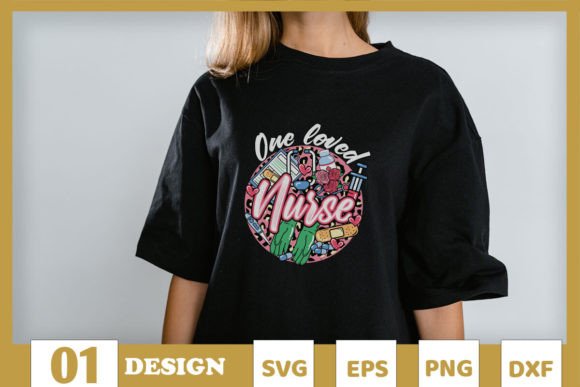
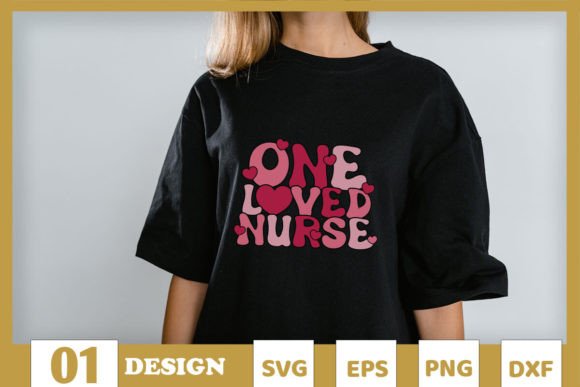
When One Loved Nurse Retro Valentine opened in my design software, I didn’t see just another heart-and-heartbeat motif—I saw a quiet confidence. The retro palette suggestion (think muted pinks, soft teals, and warm creams) is baked into the composition, not tacked on. It’s compact but never cramped—balanced like a well-set type specimen, with clean negative space around the “One Loved” script and the nurse cap icon sitting just right above the valentine heart. This isn’t a busy filler graphic; it’s a focused, intentional embroidery file built for legibility at 3–4 inches wide—the sweet spot for tote bags, sweatshirt chest placements, and baby onesie fronts.
Where It Shines: Real Projects, Real Reactions
Last week, I prepped One Loved Nurse Retro Valentine for a custom embroidered tote bag order—a gift for a labor & delivery nurse retiring after 27 years. We chose a natural canvas tote, medium-weight, with light iron-on stabilizer underneath. The result? Crisp satin stitch on the cap brim, smooth fill stitch in the heart, and airy running stitch outlining the script. Customers noticed it immediately—not because it shouted, but because it felt *considered*. That’s the quiet strength of this design: it supports the story without overshadowing the wearer. It works equally well on a lightweight cotton apron for a boutique café (where nurses double as baristas), or on a soft minky baby blanket where the gentle curves soften further in stitch.
Why It Fits Small Business & Etsy Sellers So Well
If you’re an Etsy seller or run a craft business, One Loved Nurse Retro Valentine is low-friction inventory. It’s not overly detailed—no micro-lettering or fragile filigree that frays under washing—so your turnaround stays predictable. You can pair it with neutral thread palettes (ecru on navy, blush on oatmeal) and still land a polished handmade product. For holiday embroidery or personalized gifts, it avoids cliché while keeping warmth intact. No forced puns, no cartoonish exaggeration—just sincere, wearable sentiment. That builds customer trust faster than flashier alternatives.
Where to Proceed Thoughtfully
This isn’t a one-size-fits-all machine embroidery design. On textured fabrics—like looped terry cloth tea towels or heavy fleece sweatshirts—test first. Dense fill areas (the heart’s center, the cap’s crown) may need slight density reduction if your machine struggles with thick layers. On stretchy fabric (ribbed knits, lightweight jersey), use cutaway + tear-away stabilizer combo—don’t rely on hoop tension alone. And avoid placing it near curved seams or deep armholes unless you’ve tested the hooping angle; the balanced layout can skew slightly if the fabric distorts mid-stitch.
Dark Fabric? Light Fabric? Both—With Planning
The PNG high-definition with transparent backdrop makes mockup prep easy, but don’t skip physical tests. On charcoal sweatshirts, white or cream thread reads beautifully—but test contrast before committing. On ivory linen, a soft rose or sage thread lifts the retro vibe without looking washed out. Always check how the script holds up in black-and-white mockups too; if letterforms blur or tighten at small sizes, resize thoughtfully—not just digitally, but in stitch simulation.
Design Integrity in Motion: What Holds Up, What Needs Care
The “Nurse” script uses open letterforms—no tight counters or thin serifs—so it stitches cleanly even at 2.5 inches. That’s huge for cap embroidery or tiny patches. But the heart’s inner outline? It’s delicate. If you’re planning a sew-on embroidered patch, reinforce that edge with a second pass of satin stitch—or simplify it manually in your editing software before digitizing. Also: avoid layering One Loved Nurse Retro Valentine over other dense designs (like floral borders or monograms). Its charm lives in breathing room.
Commercial Use? Yes—But Verify Licensing First
As a digital embroidery file, One Loved Nurse Retro Valentine clearly targets apparel and gift makers—but “SVG ready” and “DXF” formats don’t automatically equal commercial license. If you’re selling finished products on Etsy or stocking a local boutique, confirm whether redistribution or resale of stitched items is permitted. When in doubt, reach out to the creator. Clarity here protects your craft business and preserves your reputation as a professional maker.
Practical Notes Every Embroidery Designer Should Run Through
- Test on scrap fabric first—especially with your exact stabilizer + thread combo.
- Review stitch density before sending to machine; reduce fill density by 5–10% on plush or napped fabrics.
- Confirm hoop size compatibility; this design fits standard 4x4 hoops comfortably, but double-check if your workflow leans toward smaller 3x3 setups.
- Inspect small details in your embroidery software: are stitch directions optimized for smooth cap brim flow?
- Use proper stabilizer: medium cutaway for stable knits, tear-away + topping for loosely woven linens.
- Compare light/dark fabric backgrounds in printable mockups—then verify in real thread.
- Check whether the design works for both personal and commercial projects—licensing isn’t implied by format.
Final Thought: A Design That Earns Its Place
One Loved Nurse Retro Valentine doesn’t try to be everything. It’s not a sprawling applique design or a complex multi-color scene. It’s a focused, respectful, quietly joyful tote bag design, sweatshirt embroidery, or baby embroidery piece that lands with sincerity—not salesmanship. In a market flooded with generic graphics, it stands out by honoring craft, clarity, and care. Whether you’re stitching for a client, building your small shop product line, or creating a heartfelt personalized gift, this design earns its spot—not because it’s flashy, but because it’s trustworthy, adaptable, and genuinely kind in spirit.