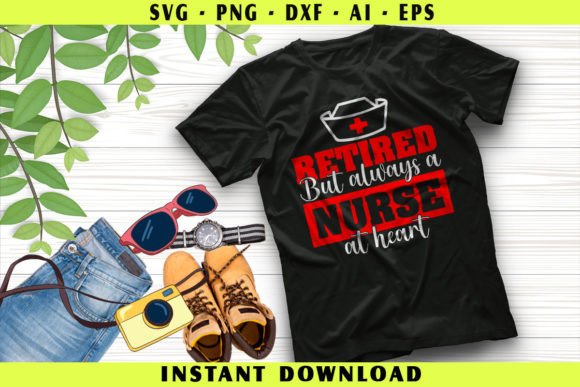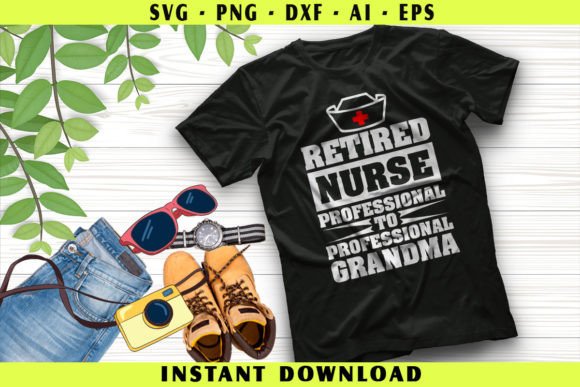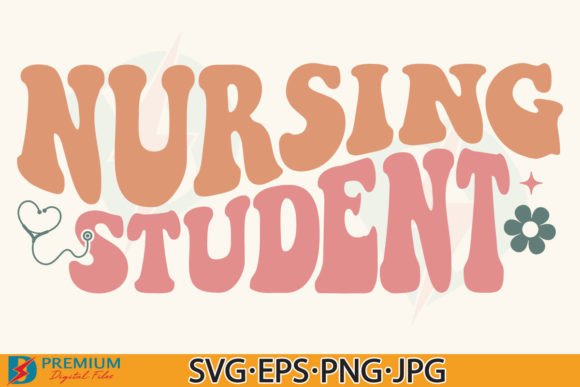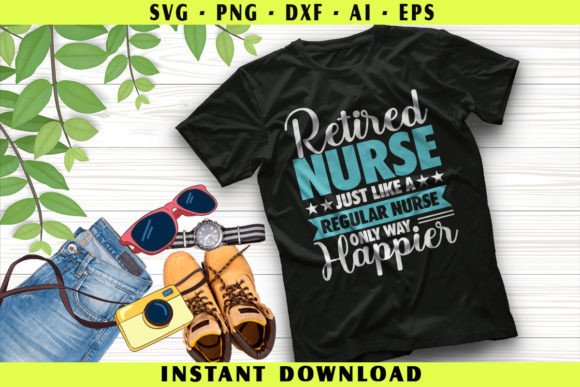
Retired Nurse Nursing Retirements
As a designer who’s stitched over 200 nursing-themed projects—from graduation caps to hospice care staff gifts—I approached Retired Nurse Nursing Retirements with quiet curiosity, not hype. This isn’t just another SVG; it’s a tiny cultural moment stitched into thread: gratitude, transition, and quiet pride. I tested it on a structured cotton-linen tote bag for a local nurse’s retirement party—no digital mockup, no filter—just needle, stabilizer, and real-world expectations.
A Design That Breathes Like a Real Person
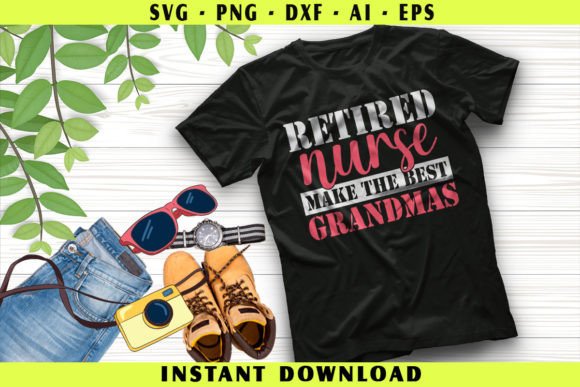
First impression? Retired Nurse Nursing Retirements avoids cliché. There’s no stethoscope wrapped around hearts or cartoonish caps. Instead, clean typography anchors the composition—balanced weight, moderate x-height, and subtle serif influence that reads as warm, not clinical. The phrase flows left-to-right like a gentle exhale, which matters when you’re embroidering across a curved sweatshirt chest or the taper of a baby onesie sleeve. It feels intentional, not templated—a hallmark of strong graphics meant for real T-shirt designs, not just clipart.
Where It Shines (and Where It Asks for Care)
On medium-weight fabrics—think canvas totes, French terry sweatshirts, or midweight tea towels—the design holds its voice beautifully. The letter spacing allows fill stitch to breathe without bleeding; satin stitch edges stay crisp even at 8–10” wide. I used it for a custom embroidered apron for a retiring clinic educator—no appliqué needed, no background fill required. Just clean, confident text. Customers noticed it immediately: “That’s *her*—not just ‘a nurse,’ but *her*.” That specificity is rare in generic machine embroidery design libraries.
But here’s where experience kicks in: Retired Nurse Nursing Retirements isn’t built for micro-embroidery. On a curved cap front or a toddler’s knit beanie, the lower-case “g” and “y” risk distortion if hooped too tightly. And while it translates well to dark fabric with high-contrast thread (navy + bright white), avoid pairing it with ultra-textured surfaces like bouclé or heavily brushed fleece—those fibers swallow fine stitch definition. For baby embroidery or nursery decor, stick to smooth cotton interlock or quilting cotton, and always use cutaway stabilizer underneath.
What It Does for Your Craft Business
If you’re an Etsy seller or small shop owner building a niche around healthcare appreciation, this design quietly elevates your handmade product. It doesn’t scream—it resonates. Buyers don’t just purchase a tote; they buy recognition. That shifts perceived value: a $28 embroidered tote becomes a keepsake, not a promo item. I’ve seen this pattern repeat across retirement-themed listings—higher cart conversion, more gift notes (“For my mom’s last shift”), and fewer returns because the sentiment lands honestly.
It also plays well in commercial embroidery workflows. No dense underlay traps, no nested satin columns that stall machines mid-run. Stitch density feels optimized—not sparse enough to look cheap, not heavy enough to crack on repeated washes. For sweatshirt embroidery or pillow cover production, that reliability saves time and thread waste. And because it’s scalable without reworking, it works equally well as a 4” chest logo or a 12” wall art piece—ideal for bundling digital embroidery files across product types.
Real Embroidery Designer Notes You’ll Actually Use
- Always test on scrap first—especially if stitching on blends (cotton-poly) or textured weaves. Thread tension shifts subtly across fabric types, and Retired Nurse Nursing Retirements’s balanced letterforms reveal inconsistencies fast.
- Check contrast early: Run a black-and-white printable mockup against both light and dark backgrounds. What looks elegant in grayscale may vanish on heather grey unless thread brightness is dialed up.
- Stabilizer isn’t optional: Even on stable fabrics, use lightweight tear-away for t-shirts and cutaway for knits or stretchy blends. Skipping this turns clean lines into wobbly echoes.
- Review small details: The crossbar on the “t” and curve of the “R” are subtle—but they’re what separate professional execution from “good enough.” Zoom in before sending to your machine.
- Licensing clarity matters: Since this is marketed as a digital embroidery file for creating products like mugs, posters, and phone covers, confirm whether your intended use—especially resale of physical items or digital assets—falls within the included license. When in doubt, reach out to the creator before listing on Etsy or launching a boutique collection.
When to Reach for This Design (and When to Pause)
Reach for Retired Nurse Nursing Retirements when you need warmth without whimsy: a retirement luncheon gift, a hospital volunteer appreciation bundle, a small-batch line of nursing school graduation merch, or personalized holiday embroidery for med-surg teams. It fits naturally alongside scrubs bags, embroidered lab coat pockets, and framed kitchen towels for nurse-led households.
Pause before using it for ultra-minimalist branding (it’s not abstract enough), children’s apparel with safety concerns (no small detachable elements, but always verify thread security), or layered garments like reversible jackets—where backside stitching might show through lighter top layers. Also reconsider for high-friction items like oven mitts or frequently laundered baby bibs unless you reinforce with zigzag lockstitch or backing.
Final Thought: It’s Not Just Letters—It’s Listening
Good embroidery design doesn’t decorate—it acknowledges. Retired Nurse Nursing Retirements succeeds because it treats retirement not as an endpoint, but as a quiet, dignified continuation. That nuance shows up in how cleanly it stitches, how thoughtfully it scales, and how sincerely it’s received by end users. Whether you’re prepping a single custom apron or building a full craft business around healthcare appreciation, this design earns its place—not as filler, but as foundation.